

If you’re in a position to have a custom home designed and built, you’ll want to know what to look for in a custom home builder. Whether it’s a completely new bespoke build, an extension or renovation, it’s a significant investment, especially for high-end homes, and choosing the wrong home builder can leave you in troubled waters.
As luxury, bespoke home builders ourselves, Cranatt Construction brings you a complete guide on how to choose the right home builder for your custom home development.
What is a Custom Home Builder?
Custom home builders work with clients to design and build a completely tailored home, meeting the owner’s lifestyle needs, preferences and future plans. This is very different to standard house builders, who will work off prefabricated designs.
Custom home builders will also provide full project management and arrange architects, developers and builders for the project and handle planning approvals as well as collaborate closely with the client to ensure the final project meets the exact custom design specifications.
Why Choosing the Best Custom Home Builder Matters
We know those looking for a custom home builder won’t just pick a random name out of a hat. It takes time and lots of research to find the ideal partner. When you choose the wrong custom home building partner, it can lead to project delays, higher expenses for compromises, poor craftsmanship and a final finish that doesn’t meet your bespoke needs.
So, how do you discover the best custom home builder to keep your development on track, within budget and finished to your exact specifications?
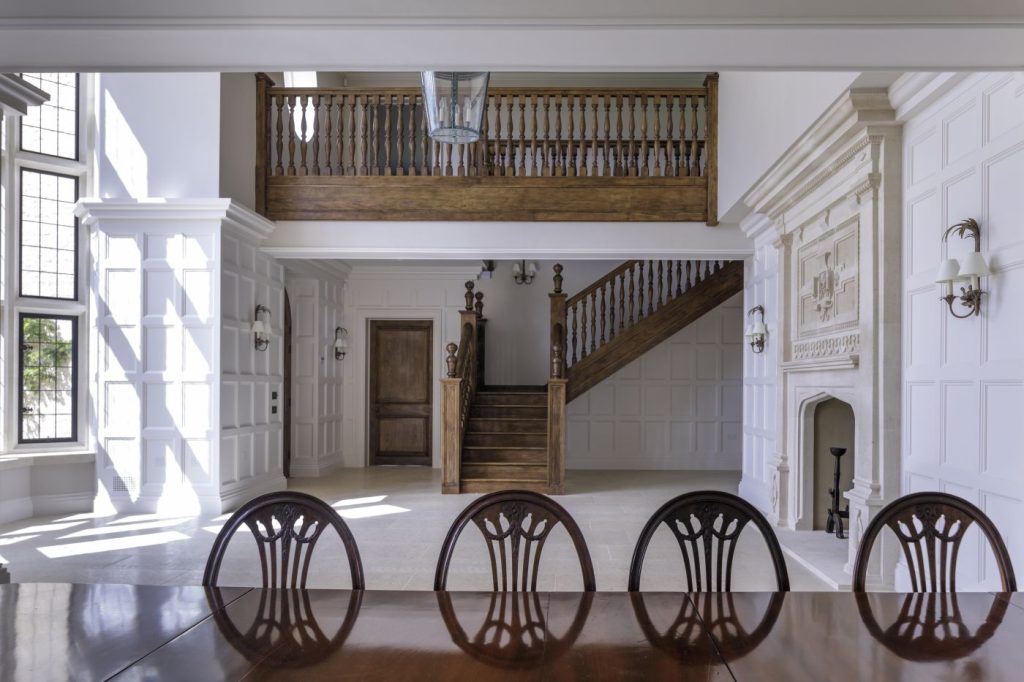
Custom Home Builder Checklist: 9 Steps
1. Proven Experience with Bespoke Homes
It’s a good start to look at the past experiences of the custom building company and what types of bespoke homes they have completed. For example, our projects at Cranatt Construction have covered luxury, timeless and completely bespoke builds across the Cotswolds.
A strong portfolio is your first sign that the builders understand custom designs and uniqueness, not off-the-shelf architecture or interior design. Look for past projects of different sizes, scales and complexities, covering not just the main structure but also outdoor garden spaces and complementary amenities.
2. Strong Local Knowledge
You’ll want to choose a custom home builder who knows your desired location and its regulations well. This will help in terms of planning approvals and sourcing local materials, as the builders will have valued relationships with local councils and contractors, which in turn will help speed up project timelines.
With strong local knowledge, the custom builder will understand regulations regarding architecture and regional property styles and where to source the materials, suppliers and traders to adhere to these planning rules.
3. Transparent Pricing and Detailed Quotes
Each bespoke home project is unique, meaning costs won’t be finalised until all plans are approved and finalised. However, an ideal custom home builder will provide a clear breakdown of costs once plans have been developed, including realistic allowances, and hold honest conversations around budget from the start.
They should outline costs for materials, labour and every detail of the project and update you on any changes and why things may go over budget or explain viable solutions to help you save on costs.
4. Clear Communication Process
A custom home is a big undertaking with lots of moving pieces. Partnering with a building specialist who keeps in direct contact with you throughout the development is the key to success.
You should be appointed a dedicated project manager as one clear point of contact. They will detail every stage of the project for you, notify you of decisions and employ proactive issue management with complete transparency.
At Cranatt, providing clear, reliable communication with our clients is ingrained in our services. We always deliver on our promises and keep you in the loop at every stage, with your dedicated project leader here to support you in any way they can.
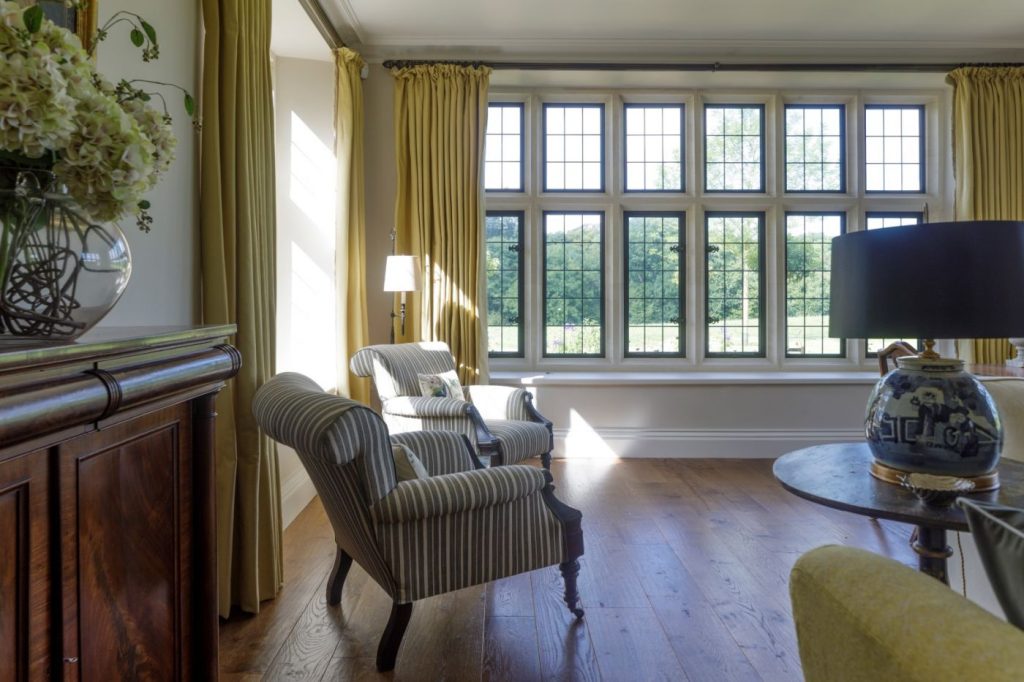
5. Quality Craftsmanship and Materials
You may have chosen a custom home builder who can source quality, local materials that support your location’s architecture, but it won’t matter if behind the materials are inexperienced craftsmen. Custom homes require sophisticated tools, specialist techniques and experienced team members to bring unique features and characteristics to life.
Ensure the team understands specialist techniques and building methods for materials like Cotswold stone, timber and other traditional high-end elements that define a luxury, bespoke home.
6. Design and Build Support
A custom home build has to be collaborative so every individual and specialist involved understands your desires and vision. Builders need to be able to collaborate and work in sync with architects, local authorities, designers, planning consultants, engineers, landscapers and interior designers.
They should be able to either take on a more hands-on approach and provide full project management, arranging these specialists themselves, or come in and work with your chosen specialists if the project has begun planning.
7. Strong Project Management
Following on from design and build support, a custom home builder should include several other services as part of project management. These include:
- Creating clear schedules for every stage of development
- Ensuring site management responsibilities are upheld
- Prioritising health and safety
- Coordinating suppliers and teams
- Ensuring quality control
8. Client Reviews and Case Studies
First-hand accounts from past clients are good information to acquire regarding choosing potential custom home builders. Testimonials from sources like Glassdoor and the company’s social media help highlight what the company does well and what sort of projects they’ve brought to life.
You could even request personal references from past clients and ask them key questions about the builder’s process, forecasting, scheduling and communication.
9. Aftercare and Long-Term Support
Just because the custom home is complete doesn’t mean the custom home builder should just hand over the keys and wave goodbye. Ask potential partners what warranty programme they have and get an idea of the long-term support they can provide concerning maintenance guidance and snagging.
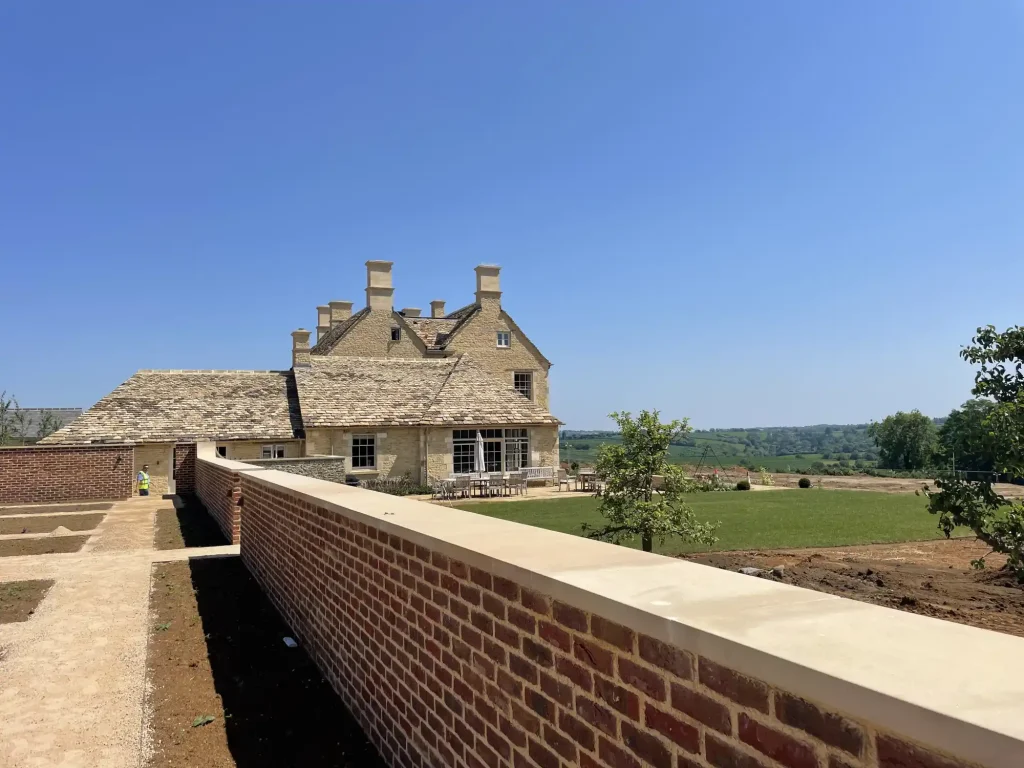
Questions to Ask a Custom Home Builder Before Hiring
Choosing the right custom home builder is one of the most important decisions in the home-building process. Asking the right questions early can help you evaluate experience, avoid misunderstandings and ensure your project stays on track. Good questions to ask include:
- How long have you been building custom homes?
- What types of custom home projects do you specialise in?
- What is the estimated timeline for design, permitting and construction?
- How do you handle delays caused by weather, material shortages or subcontractor availability?
- How frequently will I receive progress updates?
- How is your pricing structured?
- What is included in the quoted price?
- Do you offer in-house design services, or do you work with external architects?
- What steps do you take to ensure the home meets local building codes and regulations?
- How do you select building materials and finishes?
- Who will be my primary point of contact during the project?
- What contingency plans do you have for project delays?
- May I visit completed homes or active construction sites?
By asking even just a few of these questions, you gain a clearer understanding of a builder’s expertise, processes and communication style, helping you choose a professional who is well-equipped to bring your vision to life.
Red Flags to Watch Out For
If you come across any of these red flags, it’s best to go for a different custom home builder to bring your vision to life.
- Vague or incomplete quotes with unclear pricing and exclusions
- Poor communication, delayed responses or difficulty getting updates
- Limited experience with custom or luxury home projects
- No clearly defined design, planning or construction process
- Unrealistically short timelines that seem too good to be true
- Reluctance to provide client references or examples of past work
- Lack of transparency around additional costs and change orders
- Missing licenses, insurance or relevant accreditations
- High-pressure sales tactics or rushed decisions
- Consistently negative reviews regarding quality, timelines or customer service
Bring Your Cotswold Vision to Life
At Cranatt Construction, we design and build exceptional bespoke homes across the Cotswolds, combining luxury craftsmanship with a seamless, client-focused approach. Whether you’re planning a new build or a fully customised dream home, our experienced team can guide you from concept to completion.
We have the expertise, local knowledge and commitment to quality needed to create a bespoke home that exceeds expectations.
Contact us today to discuss your project and discover how we can turn your dream Cotswold home into a reality.
Frequently Asked Questions
What should I look for in a custom home builder?
The key things to look for in a custom home builder include:
1. Proven experience with bespoke homes
2. Strong local knowledge
3. Transparent pricing and breakdown of costs
4. Clear communication throughout the project
5. Quality craftsmanship and materials
6. Design and build support
7. Strong project management
8. Positively consistent client reviews
9. Aftercare and long-term support
How do I know if a builder is right for my custom home?
Look for a builder with a strong portfolio of similar projects, a clear and transparent process and excellent communication skills. They should understand your vision, offer practical guidance and demonstrate experience delivering homes that align with your design preferences, budget and long-term goals.
What questions should I ask before hiring a custom home builder?
Ask about their experience with similar projects, estimated budgets and timelines, planning support, material sourcing, subcontractor management and quality assurance processes. It’s also important to discuss communication methods, handling of project changes, warranties and the level of aftercare provided once construction is complete.
How much does it cost to build a custom home?
The cost of a custom home varies depending on factors such as size, location, design complexity, specification level, materials and site conditions. Additional considerations like planning permission, groundworks and bespoke features can also affect the final budget. A detailed quote provides the clearest estimate.
Is it better to choose a local custom home builder?
A local builder offers valuable knowledge of regional planning requirements, building regulations, architectural styles and site conditions. They often have established relationships with trusted suppliers and tradespeople, helping to streamline the construction process while ensuring your home complements the character of the local area.
How long does a custom home project take?
Most custom home projects take between 12 and 24 months, depending on the size and complexity of the build. This typically includes design development, planning approvals, site preparation, construction and final finishes. Factors such as weather, material availability and design change can also influence the overall timeline.