

Cotswold stone is one of Britain’s most distinctive natural building materials, renowned for its warm honey-coloured tones and timeless character, but what is Cotswold stone?
It’s a building material that has been quarried across the Cotswolds for centuries; it has shaped the region’s picturesque villages, historic landmarks and elegant country homes. Valued for its durability, natural beauty and traditional craftsmanship, Cotswold stone remains a popular and proven choice for luxury properties, seamlessly blending heritage appeal with modern architectural design while also enhancing the long-term aesthetic of the building and the overall value of the property.
The Cranatt team have compiled this comprehensive guide to break down all you need to know about Cotswold stone.
What Is Cotswold Stone?
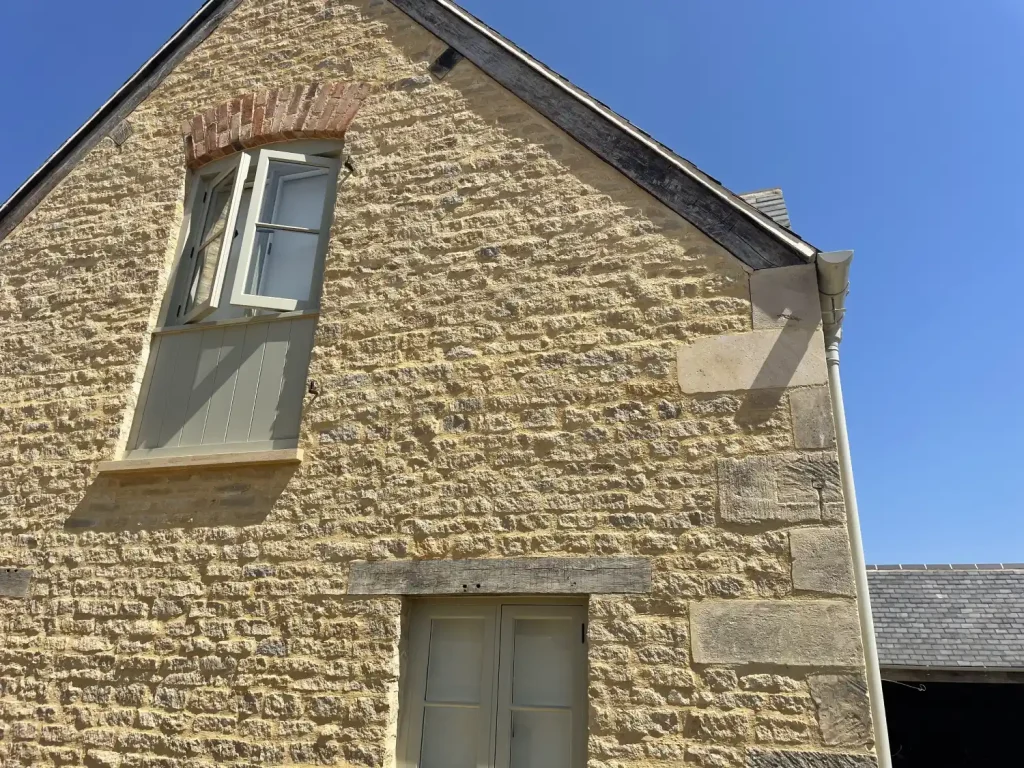
Cotswold stone is a type of oolitic limestone that has a warm almost golden, creamy, honey-esque look and is a sedimentary rock made up of spherical grains known as ‘ooids’. Geologically, the stone itself will have formed over millions of years of pressure under a shallow sea around 150 million years ago, during the latter days of the Jurassic epoch.
As a material, it has been used since the Neolithic period (4300 BC to 2000 BC) at various sacred sites. It was then used in great numbers by the Romans, in the “Wool Churches” of the Middle Ages and as land dividers. It has also been used in various landmarks like St Paul’s Cathedral and Blenheim Palace.
In the modern day, it is seen as a timelessly elegant material that is crucial for both heritage building repairs and creating a sense of luxury in many bespoke home builds that blend into their surroundings.
What Makes Cotswold Stone Unique?
Cotswold stone stands apart from other building materials thanks to its natural texture, relative ease in working and the enduring elegance of its honey tones. Each piece oozes with character and merges strength with beauty and heritage.
A Distinctive Natural Appearance
From soft creams to rich golden hues, Cotswold stone offers natural colour variation that creates visual depth and character. No two stones are identical, giving every property a unique appearance. This timeless aesthetic complements both period restorations and modern homes, adding warmth, authenticity and lasting kerb appeal that is greatly sought after.
Exceptional Durability
When responsibly sourced, expertly installed and properly maintained, Cotswold stone provides remarkable durability that lasts for generations upon generations. Thanks to its resilient composition, it is more than able to withstand changing weather conditions while retaining its structural integrity and visual appeal.
Ensuring routine maintenance helps preserve the stone’s beauty, ensuring long-term performance and value.
Rich Architectural Heritage
For centuries, Cotswold stone has defined the architectural identity of villages, manor houses and historic landmarks across the region and the wider UK. Its enduring appeal continues to influence modern developments inspired by the traditional craftsmanship of Cotswold architecture.
Why Is Cotswold Stone Popular for Luxury Homes?
Timeless Kerb Appeal
Cotswold stone creates homes with lasting elegance, distinctive character and undeniable kerb appeal. Its natural tones, authentic texture and traditional craftsmanship ensure properties remain visually desirable for generations, enhancing both market value and the overall prestige associated with luxury homes throughout the Cotswolds.
Seamless Integration with the Landscape
The warm golden hues of Cotswold stone blend naturally with the surrounding countryside, allowing homes to sit harmoniously within their environment. These visuals complement traditional Cotswold architecture while helping contemporary properties maintain an authentic appearance that respects the region’s distinctive landscape.
Premium Craftsmanship
Exceptional Cotswold stone construction relies on skilled stonemasonry and traditional building techniques. Experienced craftsmen carefully select, shape and lay each stone to achieve precise detailing, structural integrity and beautiful finishes.
Modern Uses for Cotswold Stone
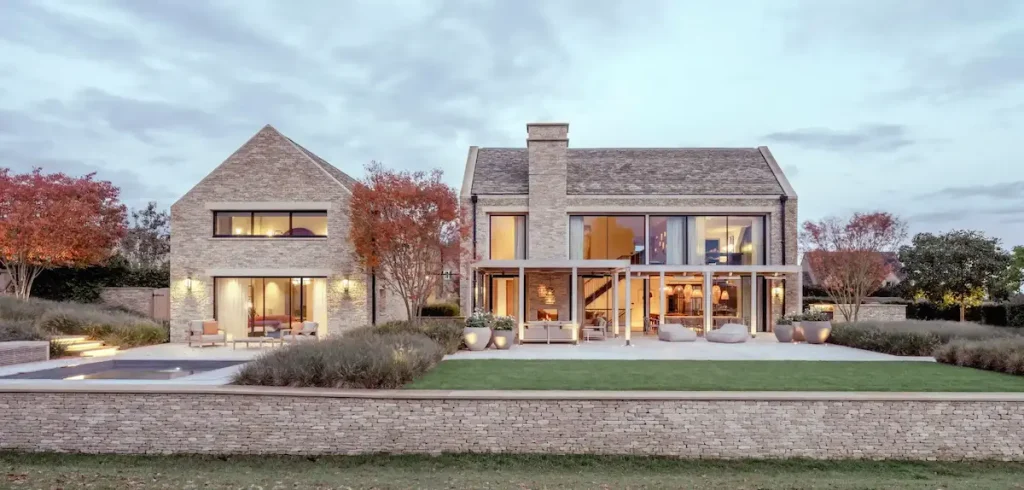
Today, Cotswold stone features in a wide range of contemporary residential projects, from entire homes to extensions and external landscaping projects. As a material, it delivers timeless character while meeting the expectations of modern luxury living and architectural excellence.
New Build Homes
Cotswold stone enables bespoke new build homes to reflect the area’s architectural heritage while incorporating contemporary layouts, energy efficiency and premium finishes that will remain enticing for years and years to come.
Extensions and Renovations
Matching existing Cotswold stone allows extensions and renovations to blend seamlessly with original buildings, preserving character and architectural consistency. Ensuring sensitive Cotswold architectural design whenever possible means these additions are sure to enhance both appearance and functionality.
Landscaping and External Features
Beyond house construction, Cotswold stone enhances garden walls, gate piers, terraces, pathways and other external features. Using matching natural stone throughout a property creates a cohesive appearance, strengthening the relationship between the home, surrounding landscape and outdoor spaces.
Bring Your Cotswold Vision to Life
Here at Cranatt Construction, we have been designing and building breathtaking, bespoke homes across the Cotswold area since 2000. By combining luxury craftsmanship with unique, heritage building materials and a strong ethic for client focus, we are the smart choice for any developer, homeowner or architectural designer looking to bring their dream home to life.
Our accredited builders have the expertise, local knowledge and drive to create a bespoke, luxury home from Cotswold stone for you. Contact our team today to discuss your project and partner with our proven experts today.
Frequently Asked Questions
What is Cotswold stone made from?
As a form of limestone, Cotswold stone is primarily (90-98%) made of Calcium Carbonate (CaC03), with the rest of their chemical make-up consisting of clay, quartz and feldspar. The recognisable golden hue is the result of trace amounts of iron oxide in the stone.
It has a porosity rating of around 20-30% and is considered to be “highly alkaline” in nature.
Why is Cotswold stone so popular?
Cotswold stone is valued for its timeless beauty, exceptional durability and strong connection to the region’s architectural heritage. Its natural character, warm colouring and ability to complement both traditional and luxury homes make it a highly desirable choice.
Is Cotswold stone suitable for modern homes?
Yes. Cotswold stone works beautifully in contemporary homes by combining traditional materials with modern architectural design. It adds warmth, character and authenticity while complementing open-plan layouts, energy-efficient construction and high-quality finishes expected in today’s luxury properties.
Does Cotswold stone require maintenance?
Knowing what Cotswold stone is doesn’t end when the building is built; it’s important to know that it all requires periodic inspection, gentle cleaning and prompt repairs wherever needed.
Proper care and maintenance will keep the building in near-perfect condition for generations. This is even more important, as being alkaline in nature means that rain will start to erode the stone over time.
Can new homes be built using Cotswold stone?
Absolutely. Bespoke new homes can be constructed using authentic Cotswold stone while meeting modern building regulations, energy efficiency standards and contemporary lifestyle requirements.
How do I choose a builder experienced with Cotswold stone?
Choose a builder with proven experience in Cotswold stone construction, skilled stonemasonry and bespoke luxury homes. Review previous projects, ask about sourcing authentic materials and ensuring they understand local planning requirements.