

Planning permission is essential for any bespoke build, but nowhere is it more required than in the AONB of the Cotswolds, to ensure the unique character of the area is preserved for generations to come.
Planning permission is necessary if you’re looking to build something new, make a major change to a property, such as an extension, or change the use of the building, for example, converting a barn into a residential home. An Area of Outstanding Natural Beauty (AONB) frequently has additional restrictions in place about the size, scale and style of renovations which is why planning permission is essential before you build, add to or take down a building.
The Cotswolds has a long and rich history stretching back to before the Neolithic long barrows, Bronze Age round barrows and Iron Age hill forts through the Roman occupation of Cirencester in the heart of the district, the late Middle Ages and the Civil War to the textile industry in the Industrial Revolution. Named an Area of Outstanding Natural Beauty (AONB) in 1966, the district is made up of around 80% farmland and boasts rolling hills and properties built with distinctive stone roof tiles and honey-coloured limestone, which is a deeper yellow in the north of the district to the pale cream of Bath’s buildings in the south-west.
Planning permission is essential for any bespoke build, but nowhere is it more required than in the AONB of the Cotswolds, to ensure the unique character of the area is preserved for generations to come. This article will examine the process of planning permissions and how those embarking on a bespoke building project can navigate it.
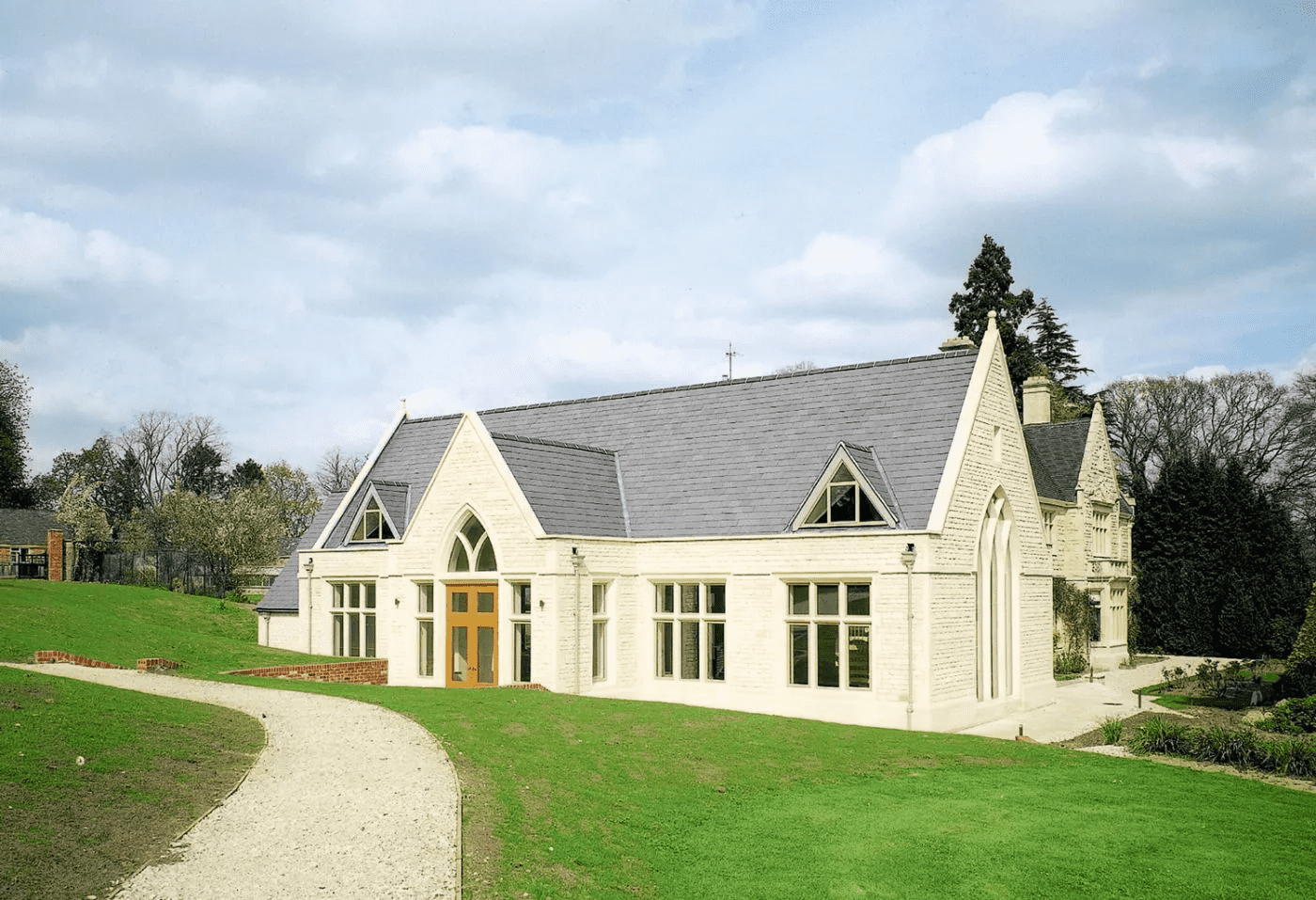
Why Planning Permission Matters for Bespoke Builds
Planning permission ensures that new development fits within the architectural and environmental standards of the area and, given the area’s status as an AONB, regulations for planning are stricter in the Cotswolds than in other parts of the UK. Without proper planning approval, a bespoke build, in any part of the country, can face legal complications, long delays and even enforcement actions that require modifications or demolition.
Factors impacting planning permission
Several key factors impact planning permission decisions, such as:
- The design’s impact on the landscape
- Alignment with local conservation policies
- Complement the surroundings in style, materials and landscaping
- Historical context
- Sustainability in energy-efficient design and responsibly sourced materials
- Impact on local infrastructure
- Effect on the community
Designs that will integrate seamlessly into the traditional Cotswold aesthetic are more likely to gain permission. The case for approval is strengthened by using bespoke building contractors who understand how to incorporate bespoke flooring, carpentry and joinery along with natural, traditional and authentic materials to ensure compliance with regulations while achieving a quality finish.
The Planning Process for Bespoke Builds
There are several key steps to navigate the planning process, each requiring attention to detail to avoid delays.
- Pre-Application Advice – before submitting a formal application, a pre-application appointment can offer valuable insights into any potential issues and expectations so everything has been covered when the planning application is made – preventing delays.
- Design a Compliant Build – a design that considers local architecture and the landscape that surrounds it is more likely to gain approval. Using an architect who understands the restrictions of design in an AONB is the best plan to navigate this hurdle.
- Submit a Strong Application – make sure the application includes detailed architectural drawings, access statements and an environmental impact assessment – if needed. A bespoke building contractor, like Cranatt, with expertise in this location will ensure all documentation meets local requirements.
- Wait for Approval – don’t begin construction until the planning application has gained approval or you could open yourself up to having to modify or even demolish anything that isn’t approved and has already been constructed.
- Appeals and Objections – if an application is challenged by local residents or rejected by the planning committee, some revisions may be needed to appeal and resubmit the application. Experienced bespoke building contractors will be able to help with the modifications while maintaining the integrity of the overall project.
Using a Bespoke Building Contractor
Planning permission is one of the most critical aspects of any bespoke building project and given the AONB status of the Cotswolds, and the stricter conservation policies, getting this step right is essential for a smooth journey through the project. Choosing a contractor with experience in bespoke builds in the area is a smart move as they bring knowledge and expertise in the planning regulations and can anticipate challenges to the process and offer solutions before they become issues. Experienced bespoke building contractors also offer expertise in areas such as:
- Importance of traditional materials – such as limestone bricks and slate tiles
- Knowledge of building techniques – such as drystone walling and joinery elements
- Relationships with planning authorities, architects and conservation officers
Choosing a building contractor with bespoke build experience increases the likelihood of planning success and ensures the result reflects the quality and aesthetics of a home expected in the Cotswold area.
Partner with Cranatt Construction for Your Bespoke Building Project
Cranatt Construction has decades of experience in the bespoke building sector, delivering the highest quality with innovative design and meticulous attention to detail for the beautiful home you’re looking for. Our previous projects speak for themselves of the uncompromising craftsmanship and highest levels of customer service as we manage the entire project from start to finish.
Whether you’re looking to create a completely new build with timeless charm and aesthetics of Cotswold tradition or renovate an existing period property, our expertise is at your disposal – along with our teams of highly skilled craftsmen – to bring your bespoke build into reality. Get in touch today to discuss your project with our expert team and get the journey started.