

Choosing the right architectural home style can shape everything from its appearance and atmosphere to how well it fits your everyday life. With so many distinctive designs to explore, finding the right one can feel overwhelming.
Our design experts have compiled this visual guide, which breaks down a range of popular architectural home styles and highlights their signature features, visual appeal and practical benefits.
Compare each style to discover which best matches your personal taste, functional needs and lifestyle.
How To Choose The Right Architectural Style For Your Home
Selecting an architectural style involves more than choosing a look you love. Start with your personal taste and consider how the design will support your lifestyle, from everyday routines to future needs.
Your location, neighbouring properties and the shape, size and orientation of your plot can also influence what works best.
Check planning regulations and local restrictions before committing to a style, as these may limit your options. Budget is another important consideration, covering both construction and ongoing maintenance.
Finally, think long-term: choose a style that can adapt to changing needs while remaining practical, comfortable and visually appealing.

10 Types of Architectural Home Styles
1. Contemporary Homes
Contemporary homes typically embrace clean lines, expansive levels of glazing and open-plan interiors. These features create bright and flexible spaces that enjoy a strong connection between the indoors and outdoors. This style suits homeowners who prefer a fresh, uncluttered aesthetic, with spacious practicality.
2. Modern Homes
Modern architecture focuses on simple geometric forms, minimal ornamentation and layouts designed around function and making use of materials like concrete, steel, timber and glass.
While contemporary design reflects current trends, modern architecture refers to a specific movement rooted in early-to-mid twentieth-century principles.
3. Traditional Homes
Traditional British homes have various features like balanced proportions, pitched roofs, brick/stone facades and recognisable detailing. These traditional influences can also be thoughtfully incorporated into bespoke homes.
4. Georgian Homes
Georgian architecture is renowned for symmetry, carefully considered proportions, sash-style windows, classical detailing and restrained façades. The overall effect is elegant, orderly and enduring rather than heavily decorative, with a timeless appearance that appeals to homeowners seeking a refined architectural style adapted for modern living.
5. Victorian Homes
As an architectural home style, Victorian homes are known for decorative brickwork, bay windows, steeply pitched roofs and distinctive ornamental detailing. Rich textures and varied façades give these homes considerable character and visual interest.
For a bespoke property, Victorian influences can be selectively incorporated through windows, brickwork and other decorative features without sacrificing contemporary functionality.
6. Arts And Crafts Homes
Arts and Crafts architecture celebrates skilled craftsmanship, natural materials and a strong relationship with the surrounding landscape. Typical features include pitched roofs, prominent chimneys, exposed timber detailing and handcrafted finishes. This style suits homeowners who value warmth, texture and authenticity.
7. Barn-Style Homes
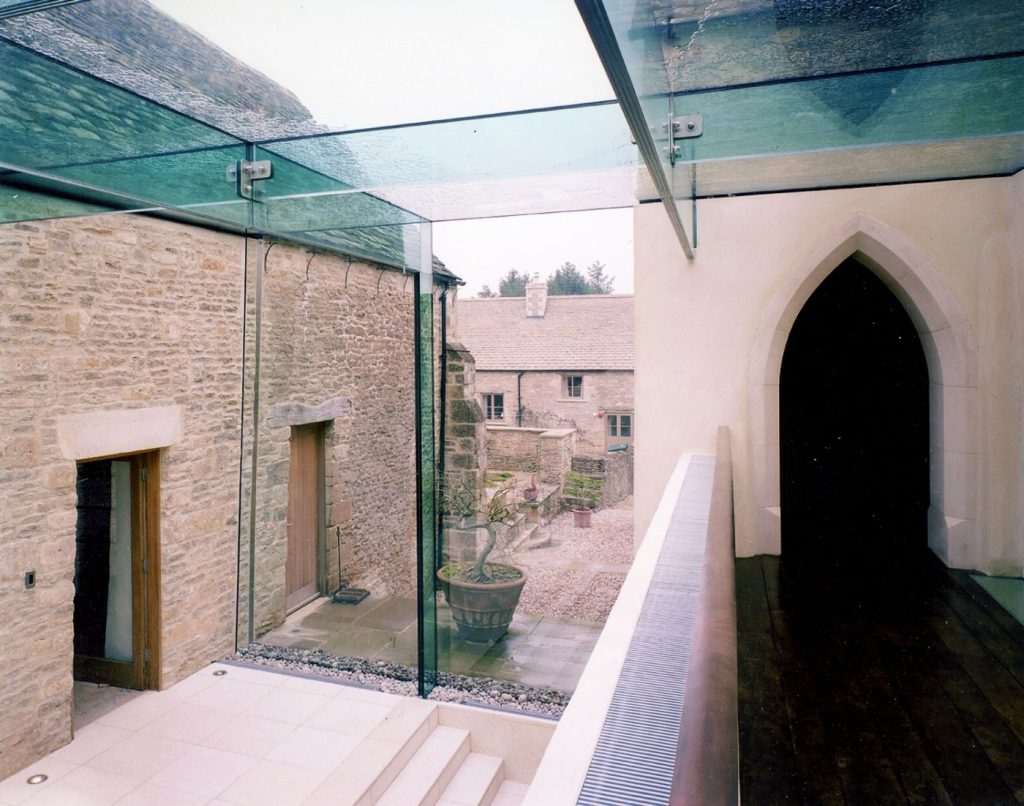
A barn-style home repurposes traditional agricultural buildings for contemporary living, combining simple forms with spacious, modern interiors. Vaulted ceilings, open-plan layouts, exposed materials and generous glazing are common features. The result is often a striking and practical home that suits homeowners who want generous living spaces, abundant natural light and a distinctive rural connection.
8. Cottage-Style Homes
Cottage-inspired homes draw on intimate proportions, pitched roofs, natural stone or brick and traditional architectural detailing to create a warm, welcoming character. These elements can be paired with contemporary interiors, efficient layouts and modern technologies.
9. Minimalist Homes
Minimalist architecture uses simple forms, restrained material palettes and carefully considered details to create calm, uncluttered spaces. Rather than relying on decoration, the design focuses on proportion, light, texture and functionality. This approach can suit homeowners who value simplicity and order above all else.
10. Mediterranean-Style Homes
Mediterranean-style homes often feature rendered façades, tiled roofs, courtyards, terraces and strong connections between indoor and outdoor spaces. In the UK, these influences can be adapted using suitable materials, glazing and landscaping while responding to the local climate. The result can introduce warmth, relaxed proportions and outdoor-focused living.
Which Architectural Home Style Is Right For You?
The right architectural style depends on how you want your home to look, feel and function. Consider your preferred aesthetic alongside your lifestyle, plot, location, budget and practical requirements.
Contemporary designs may suit those seeking openness and light, while traditional styles offer character and familiarity. Bespoke architecture also allows you to combine influences, creating a home tailored to your individual priorities rather than following one style rigidly.
Can You Mix Different Architectural Styles?
Combining architectural influences can create a distinctive and highly personal home when approached thoughtfully. Different styles can work together through consistent proportions, complementary materials, balanced rooflines and carefully considered detailing.
However, designers and homeowners alike should be cautious that combining too many unrelated features can result in a confused or visually inconsistent design. A strong overall concept helps ensure individual influences feel cohesive rather than competing with one another.
Bring Your Vision to Life
Creating a bespoke home allows you to develop an architectural style around your preferences, site and way of living. With experience across a range of architectural approaches, our team can help translate your ideas into a cohesive, considered design that responds to the character of its surroundings.
Get in touch to discuss your project and start bringing your vision to life.
Frequently Asked Questions
What are the most popular architectural home styles in the UK?
Popular UK home styles include contemporary, modern, Georgian, Victorian, Arts and Crafts, traditional and cottage-inspired designs. Each offers distinctive features providing homeowners with varied aesthetic and architectural character.
What is the difference between modern and contemporary architecture?
Modern architecture refers to an established movement shaped by principles like simplicity, functionality and minimal ornamentation. Contemporary architecture describes current, evolving approaches.
How do I choose an architectural style for my new home?
Consider your personal preferences, lifestyle and how you want the home to function. Your plot, surrounding architecture, planning constraints and budget should also guide the style, materials, proportions and the total design direction.
Can you build a traditional-looking home with a modern interior?
Of course, a bespoke home can combine a traditional exterior with modern interiors. This includes things like an open-plan layout, modern smart technologies and refinements.
Does architectural style affect planning permission?
Yes. A home’s appearance, scale, materials and relationship with neighbouring properties and the wider setting can influence planning decisions. This is particularly important in sensitive locations, including conservation areas, where design considerations may be more stringent.
Contact your local authorities for more information prior to any work taking place.